Essential bouquet care tips for UK homes
Posted on 18/09/2026
Fresh flowers can change a room in seconds. One minute the hallway feels a bit plain, the next there's colour, fragrance, and that lovely little lift you get when you walk past the table. But if you've ever brought home a bouquet and watched it droop too quickly, you'll know the feeling: a bit disappointing, honestly.
That's where Essential bouquet care tips for UK homes make a real difference. Our weather, heating habits, and indoor conditions are not always flower-friendly. A bouquet that arrives on a cold, damp doorstep in winter needs different handling from one placed near a sunny sash window in July. In this guide, you'll get practical, no-nonsense advice for keeping blooms fresher for longer, whether they've come from a local florist, been sent as a gift, or arrived by post. Let's keep it simple, useful, and properly flower-savvy.
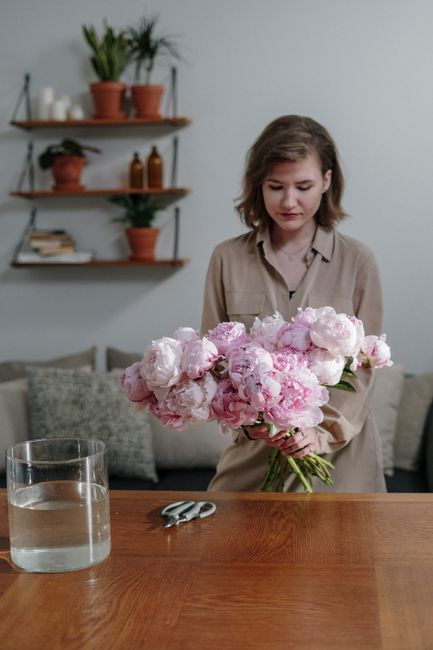
Table of Contents
- Why bouquet care matters in UK homes
- How bouquet care works
- Key benefits and practical advantages
- Who this is for and when it makes sense
- Step-by-step guidance
- Expert tips for better results
- Common mistakes to avoid
- Tools, resources and recommendations
- Law, compliance, standards, or best practice
- Options, methods, or comparison table
- Case study or real-world example
- Practical checklist
- Conclusion
- Frequently asked questions
Why Essential bouquet care tips for UK homes Matters
Bouquet care is not just about making flowers look nice for an extra day or two. It's about preserving the shape, colour, scent, and meaning of the arrangement. A bouquet is often bought for a reason: a birthday, a thank-you, a new baby, a sympathy gesture, a weekend surprise, or simply because the kitchen needed cheering up. If it collapses early, the whole moment loses some of its charm.
UK homes bring a few specific challenges. Central heating can dry petals out faster than people expect. North-facing rooms may be cooler and dimmer, which is good in one sense but not if water goes stale. Old houses can have draughts; newer flats can have warm, sealed interiors. Then there's the classic British habit of putting flowers on whatever flat surface happens to be free, which is rarely the ideal spot. Truth be told, the vase ends up next to the fruit bowl or in front of a radiator more often than florist training would recommend.
Good care also helps you get more value from the bouquet. If you've chosen luxury flowers for a special occasion or picked something simple and cheerful from cheap flowers, the basic goal is the same: make the arrangement last as long as possible and keep it looking intentional rather than tired.
And there's another point people miss. Flowers deteriorate in stages. Early care affects later life. If the first few hours are handled badly, even the healthiest stems may struggle. So yes, the details matter.
How Essential bouquet care tips for UK homes Works
Bouquet care works by slowing the three main things that shorten vase life: bacteria in the water, blocked stems, and stress from heat, light, or poor positioning. Fresh flowers are still living material. They drink water, breathe, and react to the environment around them. Once cut, they can't repair damage the way a plant in soil can. So every small decision counts.
The practical routine is usually straightforward:
- start with a clean vase
- trim the stems correctly
- remove any leaves below the waterline
- use fresh water and flower food if provided
- keep the bouquet out of direct heat and strong sunlight
- top up water regularly and refresh it when needed
That sounds simple, and it is. But simple done well is powerful. In our experience, most early bouquet failures come from one of two things: dirty water or a poor location. Not glamorous, not exciting, but absolutely true.
Different flowers also behave differently. Roses can be a little fussy if stems are crushed. Tulips keep growing in the vase and move towards the light. Lilies can be stunning, but pollen management matters. Mixed hand-tied bouquets need a balance of care because one weak stem can bring the overall look down. If you're caring for a mixed design from all flowers or a seasonal pick such as summer flowers, it helps to treat the bouquet as a small ecosystem rather than a decorative object.
Key Benefits and Practical Advantages
Getting bouquet care right gives you more than a prettier table. Here's what you actually gain.
- Longer vase life - even a couple of extra days can make a big difference, especially for event flowers.
- Better presentation - well-kept stems stand upright, petals hold shape, and the bouquet keeps its design.
- Improved fragrance - fresher blooms smell cleaner and more noticeable, rather than faint or musty.
- Less waste - you get more enjoyment from the flowers before composting them.
- More value for money - whether the bouquet was budget-friendly or premium, you're protecting what you paid for.
- Better gifting experience - if you send flowers to someone, they remember how they arrived and how long they lasted.
There's also a small emotional benefit that people don't always mention. Well-cared-for flowers make a home feel tended to. A vase on the breakfast table can soften a Monday morning in a way that's hard to quantify but very real. You notice it when you come downstairs with a cup of tea and see the petals still open. Nice. Simple. Works.
If you regularly send blooms, bouquet care can pair well with thoughtful ordering. For example, a neat arrangement from flowers-in-a-vase can reduce handling, while a selection from best sellers often reflects varieties people already know perform well in the home.
Who This Is For and When It Makes Sense
This guidance is useful for just about anyone who keeps flowers indoors, but some readers will benefit more than others.
- Gift recipients who want to make a present last, rather than admire it for one evening and then lose it.
- Home hosts preparing tables for dinners, birthdays, or Sunday lunch.
- Families who receive flowers after a celebration, illness, or bereavement.
- Couples bringing home an arrangement for an anniversary or a quiet night in.
- Office managers or reception teams who want lobby flowers to stay fresh through the week.
- Anyone in a warm flat, older house, or centrally heated room where bouquets tend to fade faster.
It also makes sense whenever the arrangement has personal value. A bouquet sent for a new home or a thank-you message feels a bit different from a casual bunch you picked up on the way back from the shops. The care you give it is part of the gesture.
And if you're buying flowers with care instructions in mind, you may want to look at styles that suit the setting. A compact bouquet can work better on a narrow windowsill than a large hand-tied design, while event flowers often need extra attention if they are waiting to be displayed. A quick browse through any occasion bouquets or a specific sentimental range such as thank you can help match the arrangement to the way it will actually be used.
Step-by-Step Guidance
Here's the practical routine I'd suggest for most UK homes. It's the kind of process that works whether your flowers arrived this morning or you've just got them home after a shop visit.
1. Unwrap the bouquet gently
Remove any outer packaging that traps moisture, but don't yank it apart too quickly. Stems can be bent, petals bruised, and ribbon ties loosened. If the bouquet is tied tightly, support the heads as you lift it out. A small bit of care here saves frustration later.
2. Choose the right vase
The vase should be tall enough to support the stems and wide enough that flowers aren't crushed together. For compact arrangements, a smaller opening can help the bouquet hold shape. For mixed or fuller bouquets, you need a vase that allows air to move between stems. Clean glass or ceramic is best.
3. Wash the vase properly
Use hot, soapy water and rinse it thoroughly. Bacteria love tiny leftovers, and old vase residue is a common reason flowers go cloudy faster. If the vase has been sitting around for a while, give it a proper scrub rather than a quick rinse. A clean vase is not a luxury; it's essential.
4. Trim the stems
Cut 1 to 2 cm off the bottom of each stem at a slight angle with clean scissors or a floral knife. The angle helps increase water uptake, though the bigger benefit is simply giving the stem a fresh surface after transport. If the bouquet has woody stems, trim carefully to avoid crushing. For very soft stems, a sharp blade is better than blunt scissors.
5. Remove leaves below the waterline
Any foliage sitting under water will break down and feed bacteria. That leads to smell, slime, and shortened vase life. Leave the upper leaves in place if they add shape, but clear the lower section properly. It's a fiddly bit, yes, but worth it.
6. Add fresh water and flower food
Use lukewarm or cool water unless your florist has given different instructions. Add flower food if it came with the bouquet. If not, plain water is still fine, provided it stays clean and is changed regularly. Don't be tempted by random home recipes unless you know exactly why you're using them. Some well-meaning hacks do more harm than good.
7. Arrange the stems with space to breathe
Place the flowers in the vase so air can flow between heads and stems. If everything is packed too tightly, moisture gets trapped and flowers deteriorate faster. This matters even more in humid kitchens or warm rooms after cooking.
8. Position the bouquet carefully
Keep flowers away from radiators, direct sunlight, fruit bowls, and draughts. Ripening fruit gives off ethylene gas, which can speed up wilting. That banana bowl on the sideboard? Charming for breakfast, slightly rude to roses.
9. Refresh water and trim again when needed
Check the bouquet daily. Top up water if levels drop. Every two to three days, replace the water, clean the vase if needed, and trim the stems again. If one flower starts to fade early, remove it before it affects the others.
10. Watch the bouquet as it changes
Flowers are not static. They open, tilt, soften, and sometimes surprise you. One evening the arrangement looks tight; by morning it may have relaxed into something looser and more romantic. That's normal. The aim isn't to freeze them in time, just to help them look good for as long as possible.
Expert Tips for Better Results
These are the small improvements that make a noticeable difference, especially in UK homes where heating and room temperature can be a bit all over the place.
- Use a cool room overnight. If you have a hallway, utility room, or spare room that stays cooler, move the bouquet there after the main evening rush.
- Keep flowers away from fresh fruit. Apples and bananas are lovely for a snack, not so much for vase life.
- Don't overcrowd mixed bouquets. Roses, alstroemeria, and chrysanthemums all need a bit of breathing room to last well.
- Handle delicate heads by the stem. Grabbing blooms by the petals can bruise them faster than you'd think.
- Use the cleanest tools you have. Dirty scissors transfer bacteria. Not exactly romantic, but there it is.
- Remove spent blooms promptly. One tired flower can drag down the look of the whole vase.
Some stems, such as tulips, continue to move after arrangement. If you're working with tulips, give them a little extra freedom and expect them to lean toward light sources. That's not failure. That's just tulips being tulips.
For gift flowers, a vase-ready design can make life easier. A piece from flowers-in-a-vase often means less fuss at the start, which is handy if the flowers were delivered while you were out and the house is already busy.
Expert summary: if you do only three things well, make them these: clean vase, fresh stem cuts, and a cool spot away from heat. Everything else supports those basics.
Common Mistakes to Avoid
Most bouquet problems are very fixable. The trouble is, they often start with small habits that seem harmless. Here are the big ones.
- Leaving leaves in the water - this is probably the quickest route to murky vase water.
- Using a dirty vase - even if it looks clean, old bacteria can linger.
- Putting flowers by a radiator - the room feels cosy, the bouquet does not.
- Forgetting to re-cut stems - once the cut seals over, uptake drops.
- Letting the water go cloudy - cloudy water usually means the bouquet is already under stress.
- Overfilling the vase - too much water can drown softer stems and make flowers wobble.
- Ignoring one failing stem - decay spreads faster than people expect, especially in warm kitchens.
Another mistake? Panicking and moving the bouquet constantly. It's tempting to chase the "perfect" light, but flowers usually do better with one sensible location and a routine. Move them less. Care for them more.
Tools, Resources and Recommendations
You do not need a full florist's toolkit at home, but a few good basics help a lot.
- A clean vase in a few different sizes
- Sharp scissors or floral snips
- Flower food sachets if included with the bouquet
- A jug for clean water changes
- A soft cloth for wiping the vase rim and table
- A small bin or compost caddy for spent stems and leaves
If you receive flowers often, it can be worth keeping one vase especially for gift bouquets and another for larger hand-tied arrangements. That way you're not faffing around when a delivery arrives and you need to get stems into water quickly.
Helpful floral options for different needs can also influence how easy bouquet care becomes. For example, structured designs from florist choice can be a sensible option when you want professional balance without needing to rearrange anything yourself. For a thoughtful home display, something like best sellers often reflects styles that hold up well in everyday rooms.
If you are sending flowers to someone else, it's also worth checking delivery and flower care guidance before ordering, so the recipient knows exactly how to look after the bouquet when it arrives.
Law, Compliance, Standards, or Best Practice
For bouquet care in the home, there is usually no special legal issue for the reader. Still, a few UK best-practice points are worth noting because they affect trust, freshness, and safe handling.
Florists typically aim to send flowers in a condition suitable for home display, with sensible packaging and handling guidance. If you are ordering flowers for delivery, check the retailer's stated terms, returns policy, and guarantees so you know what to expect if an arrangement arrives damaged or significantly out of condition. That sort of transparency matters, especially for timed gifts and important occasions.
For households, the practical "standard" is really about hygiene and safe placement. Keep water containers clean, dispose of mouldy plant material promptly, and avoid putting flowers where they could be knocked over by children or pets. Lilies, for example, can be especially hazardous around cats, so it is wise to think about the whole home setup, not just the vase.
If the bouquet includes sympathy flowers, wedding pieces, or tribute work, the expectations can be more specific. These arrangements may be designed to remain presentable for a defined event window rather than for long vase life at home. In those cases, following the florist's care instructions matters more than any generic trick you read online.
For readers who want reassurance about service quality and ordering confidence, pages such as guarantees, returns and refund, and about us can help explain how the retailer supports the customer journey. Good bouquet care starts with good delivery conditions, after all.
Options, Methods, or Comparison Table
There are a few different ways to keep a bouquet looking good at home. The right method depends on the flowers, the room, and how much attention you want to give them.
| Method | Best for | Advantages | Drawbacks |
|---|---|---|---|
| Fresh water changes every 2-3 days | Most mixed bouquets | Simple, effective, easy to remember | Needs regular attention |
| Cool room placement | UK homes with warm living rooms | Slows wilting and helps petals hold shape | Not always practical in smaller homes |
| Vase-ready arrangements | Busy households and gift recipients | Less handling, quicker setup | Still needs water checks and stem trimming |
| Frequent re-cutting of stems | High-value or sentimental bouquets | Improves water uptake noticeably | Can be a bit fiddly |
| Minimal handling after placement | Delicate flowers or event arrangements | Reduces bruising and petal loss | Requires choosing the right display spot first |
To be fair, there is no single perfect method. A winter bouquet in a cool downstairs room may need very little intervention, while a summer bunch in a heated flat may need more care and more frequent water changes. The trick is matching the routine to the room.
Case Study or Real-World Example
Here's a practical example from a typical UK home situation. A customer receives a mixed hand-tied bouquet on a Friday afternoon after a birthday lunch. The house is warm, the kitchen is busy, and the flowers are left on the sideboard while everyone finishes tea and cake.
By the evening, the bouquet still looks lovely, but the water has started to warm up. The next morning, the stems are trimmed, the vase is cleaned properly, and the arrangement is moved away from a sunny window and the fruit bowl. One lily head is removed a few days later once it fades, and the water is changed again before the weekend.
The result? The bouquet stays bright and presentable through most of the following week instead of collapsing by Tuesday. Nothing miraculous. Just good handling at the right time. That's usually how it goes with flowers. Small, boring-seeming habits make the big difference.
If the same flowers had been placed beside a radiator or left in cloudy water, the story would probably have ended differently. Not dramatic, just shorter.
Practical Checklist
Use this quick checklist whenever a bouquet comes into the house.
- Unwrap flowers gently and remove transport packaging
- Choose a clean vase of the right size
- Wash the vase with hot, soapy water
- Trim stems by 1 to 2 cm at an angle
- Remove leaves below the waterline
- Add fresh water and flower food if provided
- Place flowers away from radiators, fruit, and direct sun
- Check water daily
- Change water every 2 to 3 days
- Re-cut stems when refreshing water
- Remove fading blooms promptly
- Move the bouquet to a cooler room overnight if needed
If you can tick off those basics, you are already doing better than most households. And that's not a dig. People are busy. Life happens. But flowers do notice the difference.
Conclusion
Good bouquet care in UK homes is less about clever hacks and more about steady, thoughtful habits. Clean vase, fresh cut stems, sensible placement, regular water changes. That's the backbone. Once you have that in place, the flowers can do what they were meant to do: brighten the room, lift the mood, and sit there quietly making ordinary moments feel a bit more special.
Whether you've chosen something simple for the kitchen table, a luxury design for a celebration, or a thoughtful bouquet for someone else, the same basic care principles apply. Small effort, real payoff. That's the nice part.
Get a free quote today and see how much you can save.
And if you remember nothing else, remember this: flowers last longest when you treat them like living things, not decorations. A little attention goes a long way, and the reward is worth it.
Frequently Asked Questions
How do you keep a bouquet fresh longer in a UK home?
Start with a clean vase, trim the stems, remove leaves below the waterline, and keep the bouquet away from radiators, fruit bowls, and strong sunlight. Change the water every few days and top it up when needed. That routine does most of the heavy lifting.
Should I put flower food in the vase?
Yes, if it was supplied with the bouquet. Flower food helps support hydration and can slow bacterial growth. If you do not have any, plain clean water is still fine. Fresh water and a clean vase matter most.
What water temperature is best for flowers?
Most bouquets do well in cool or lukewarm water unless the florist gives specific instructions. Very hot water is not ideal for everyday home care. For mixed bouquets, stable room-temperature water is usually the safest approach.
How often should I change bouquet water?
Every 2 to 3 days is a good rule of thumb for home bouquets. If the water becomes cloudy sooner, change it earlier. In warm rooms, you may need to refresh it more often.
Why do my flowers wilt so quickly indoors?
Common reasons include a dirty vase, blocked stems, too much heat, flowers being placed near fruit, or leaves sitting in the water. Sometimes it's simply the natural life cycle of a delicate bloom, but often one small habit is the problem.
Can I keep flowers on a windowsill?
Yes, but only if the spot is not in direct sun, next to a draught, or above a radiator. A bright but cool windowsill can work well. A hot south-facing one can shorten vase life fast.
Do tulips need special care?
They do, a little. Tulips keep growing after they are cut and often bend toward light, so they like a clean vase, cool water, and a bit of space. They can look gorgeous as they relax, though they do have a mind of their own.
What should I do if one flower starts dying early?
Remove it from the bouquet as soon as it fades. A dying stem can affect the look and cleanliness of the whole arrangement. It's better to lose one flower cleanly than risk the rest.
Are vase-ready bouquets easier to care for?
Usually, yes. Vase-ready designs reduce the amount of handling needed at home, which is helpful if the bouquet arrives while you are busy. You still need to refresh the water and keep the flowers in a sensible spot, though.
Can I save flowers overnight in the fridge?
Sometimes, but only if there is space and the fridge is clean, cool, and not shared with fruit or strong-smelling food. For most homes, a cool room is easier and less risky. A fridge can help in a pinch, but it is not essential.
Is it better to keep bouquets in a vase or wrapped until later?
For most flowers, getting them into water quickly is best. If you must delay, keep them cool and out of sunlight, but do not leave them wrapped for too long. The sooner they are trimmed and hydrated, the better.
Do all flowers last the same amount of time?
No, not at all. Different varieties behave differently. Some, like chrysanthemums, can be long-lasting, while others are more delicate. A mixed bouquet usually lasts as long as its most fragile stems will allow, so species choice matters quite a bit.
What is the best place in the house for fresh flowers?
A cool, stable spot away from direct sun, heat sources, and fruit is usually best. Many people use a hallway table, dining room sideboard, or a shaded kitchen shelf. The right spot is often the one that stays the least chaotic.
Should I recut stems every time I change the water?
If you can, yes. A small trim helps reopen the stem and improve water uptake. It does not need to be a dramatic cut, just enough to refresh the end of the stem.